
A healthy, weed-free lawn doesn’t happen by accident. It requires consistent maintenance, proper timing, and an understanding of how weeds grow and spread. Whether you’re managing warm-season grasses like Bermuda or St. Augustine or cool-season varieties, the fundamentals of weed control remain the same: build strong turf, prevent germination, and treat problems early.
Here’s how to effectively control weeds in your lawn.
Identify the Type of Weed
Before applying any treatment, determine what type of weed you’re dealing with. Lawn weeds typically fall into three main categories:
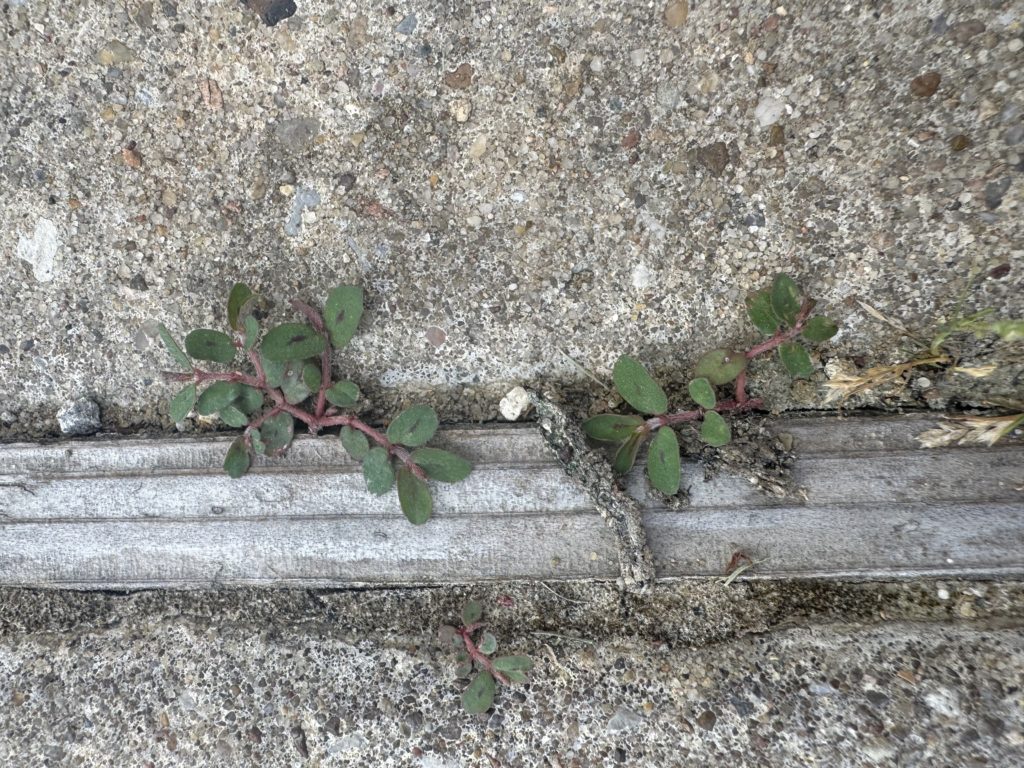
1. Broadleaf Weeds
These weeds have wide leaves and are usually easy to spot against turfgrass. Common examples include dandelion, clover, plantain, and spurge. They are generally controlled with selective broadleaf herbicides.
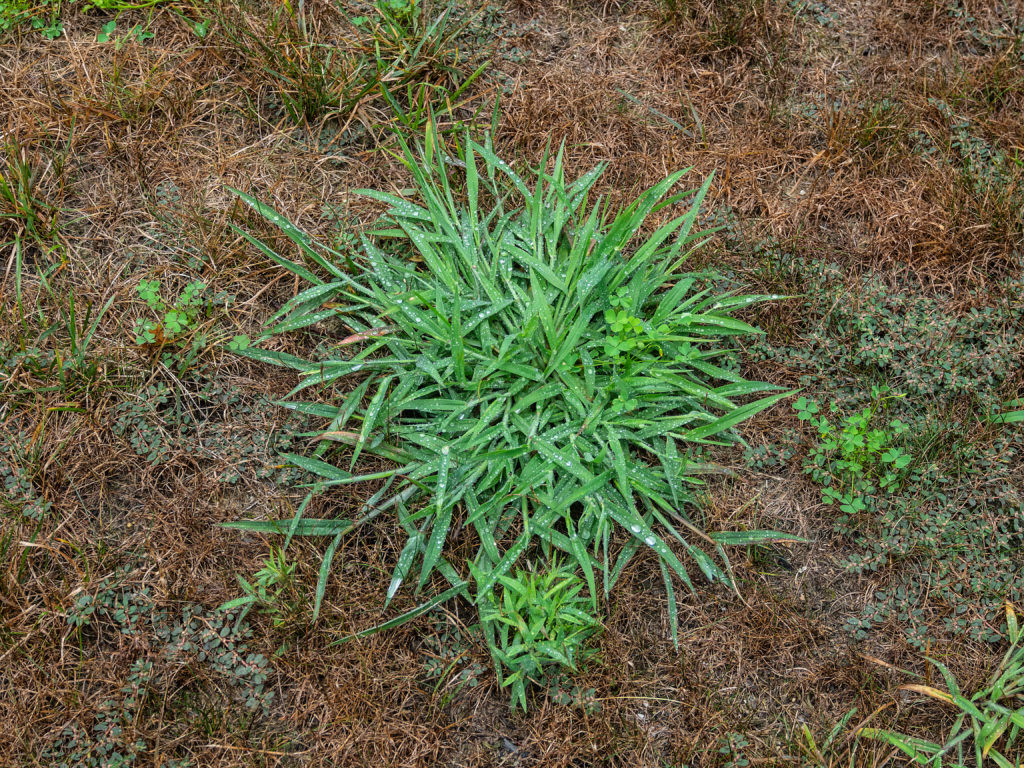
2. Grassy Weeds
Grassy weeds resemble turfgrass, which makes them harder to identify and treat. Examples include crabgrass, goosegrass, dallisgrass, and annual bluegrass. Prevention is especially important for these weeds.
3. Sedges
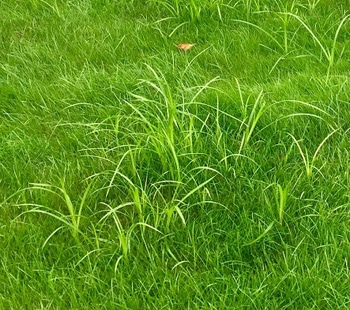
Sedges, such as nutsedge, grow rapidly and often appear in areas with excess moisture or drainage problems. They require specific herbicides designed for sedge control.
Proper identification ensures you use the correct treatment and avoid damaging your lawn.
Take a look at this weed identification guide for help figuring out which weeds have invaded your lawn.
Strengthen Your Lawn First
The best defense against weeds is thick, healthy turf. Weeds thrive in thin, stressed lawns where sunlight reaches the soil surface.
Maintain Proper Mowing Height
Avoid cutting your grass too short. Scalping weakens turf and allows weed seeds to germinate. Follow recommended mowing heights for your specific grass type.
Water Deeply and Infrequently
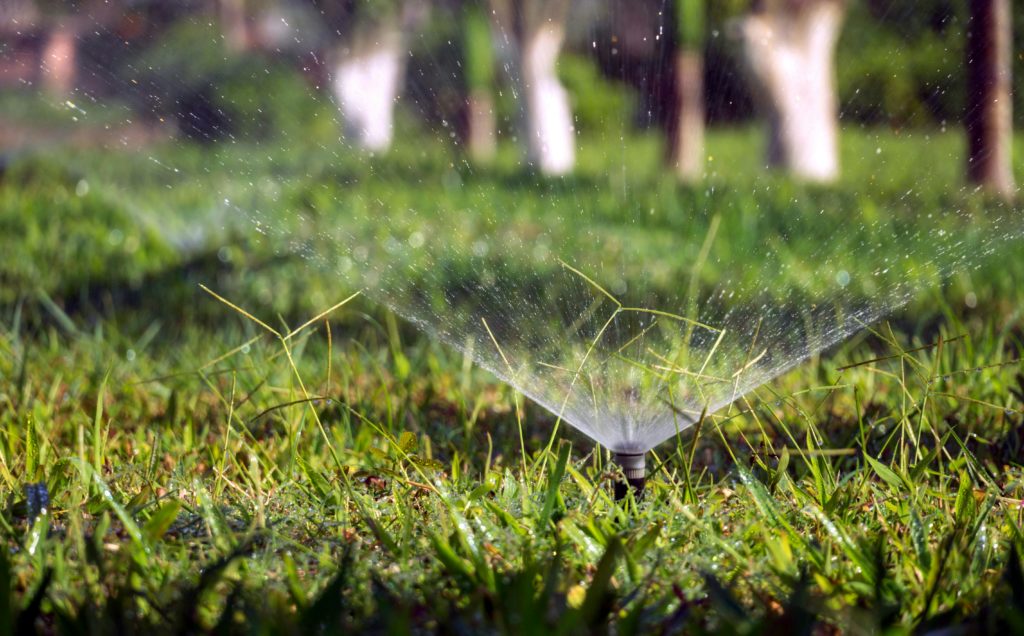
Frequent shallow watering encourages weed growth. Instead, water deeply to promote strong root systems. Address drainage issues promptly to prevent sedge problems.
Fertilize Appropriately
Apply fertilizer according to your grass type and soil conditions. Healthy, actively growing grass crowds out weeds naturally.
Improve Soil Health
Compacted or nutrient-deficient soil creates opportunities for weeds. Consider soil testing to identify deficiencies and pH imbalances.
Apply Pre-Emergent Herbicides at the Right Time
Pre-emergent herbicides prevent weed seeds from sprouting. They are especially effective against annual grassy weeds like crabgrass.
Timing is critical:
- Apply in early spring before soil temperatures consistently reach around 55°F.
- In many regions, a fall application is also recommended to prevent winter weeds.
Once weeds have emerged, pre-emergents will not be effective.
Use Post-Emergent Treatments Carefully
If weeds are already present, post-emergent herbicides can eliminate them.
Best practices include:
- Treat weeds while they are actively growing.
- Avoid spraying during extreme heat or drought stress.
- Spot-treat when possible instead of applying product across the entire lawn.
- Always follow label directions to protect your turf.
- Some perennial weeds may require multiple treatments for complete control.
Incorporate Cultural Lawn Care Practices
Chemical treatments alone won’t provide long-term success. Combine them with strong lawn care habits.
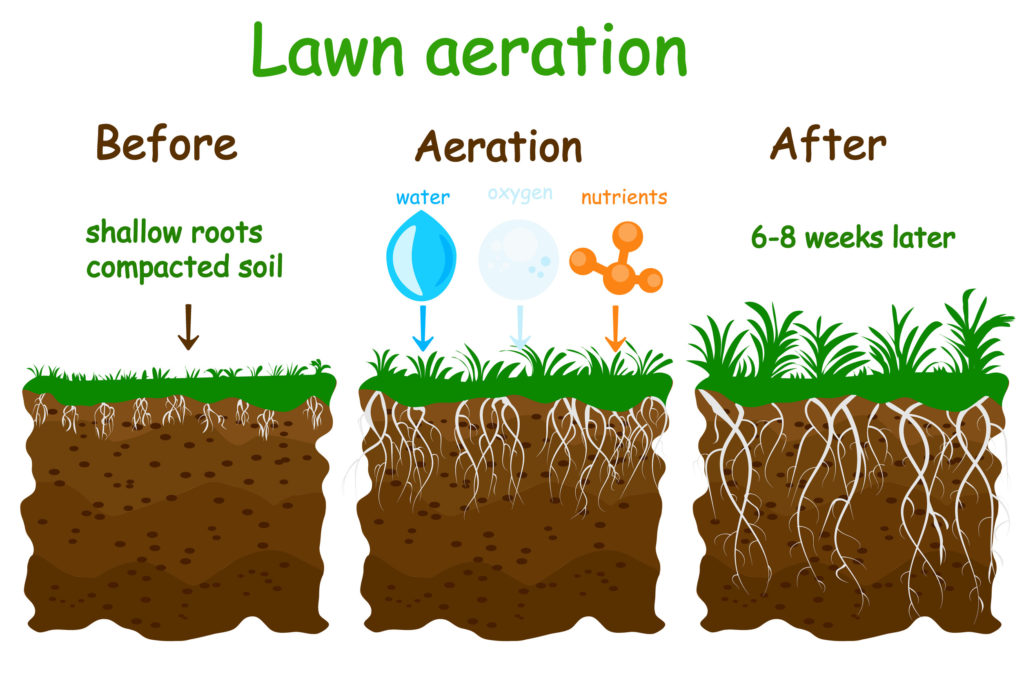
Core Aeration
Aeration relieves soil compaction and improves root growth, helping turf outcompete weeds.
Overseeding (Cool-Season Lawns)
Filling in thin areas reduces space for weed establishment.
Repair Bare Spots Quickly
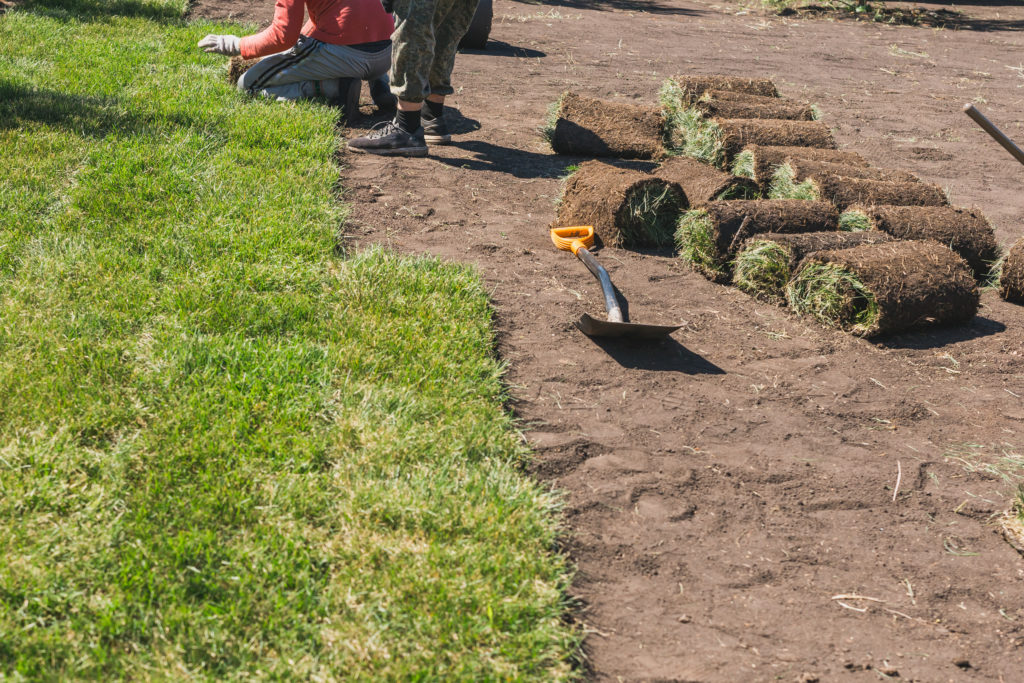
Bare soil is an open invitation for weeds. Reseed or resod problem areas promptly.
Consider Natural Weed Control Options
For homeowners who prefer reduced chemical use:
- Hand-pull weeds when the soil is moist.
- Use mulch in landscape beds to suppress weed growth.
- Improve turf density through proper fertilization and mowing.
Keep in mind that natural approaches often require more consistent effort and patience.
Know When to Call a Professional
If weeds have spread across large sections of your lawn or you’re dealing with persistent species like dallisgrass or nutsedge, professional lawn care services can help. Experts can:
- Accurately identify weed species
- Apply commercial-grade treatments safely
- Develop a seasonal weed prevention plan
- Improve overall turf health
Professional guidance often prevents costly trial and error and delivers faster, more reliable results.
Final Thoughts
Effective weed control is not a one-time solution. It’s a year-round strategy built on prevention, proper maintenance, and timely treatment. By strengthening your lawn and addressing weeds early, you can maintain a dense, healthy, and attractive landscape throughout the seasons.
If you stay proactive and consistent, your lawn can naturally resist many of the weeds that try to take over.