
Cold weather often leads to well-meaning but harmful lawn decisions. Here are some of the most common winter lawn myths homeowners believe — and what’s actually true.
Myth #1: Walking on Frozen Grass Won’t Hurt Anything
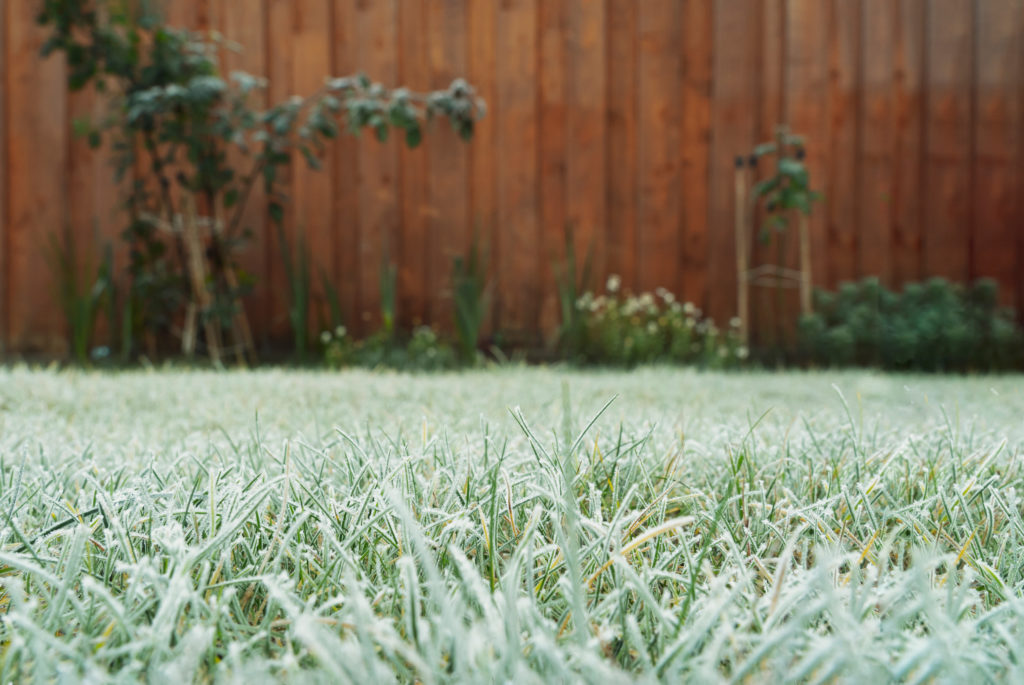
This is one of the most damaging winter lawn myths. When grass is frozen, the blades become brittle as ice crystals form inside the plant tissue. Walking on frozen grass can crush those blades and damage the crown, leading to thinning, delayed green-up, or bare patches in spring.
Myth #2: Brown Grass Means the Lawn Is Dead
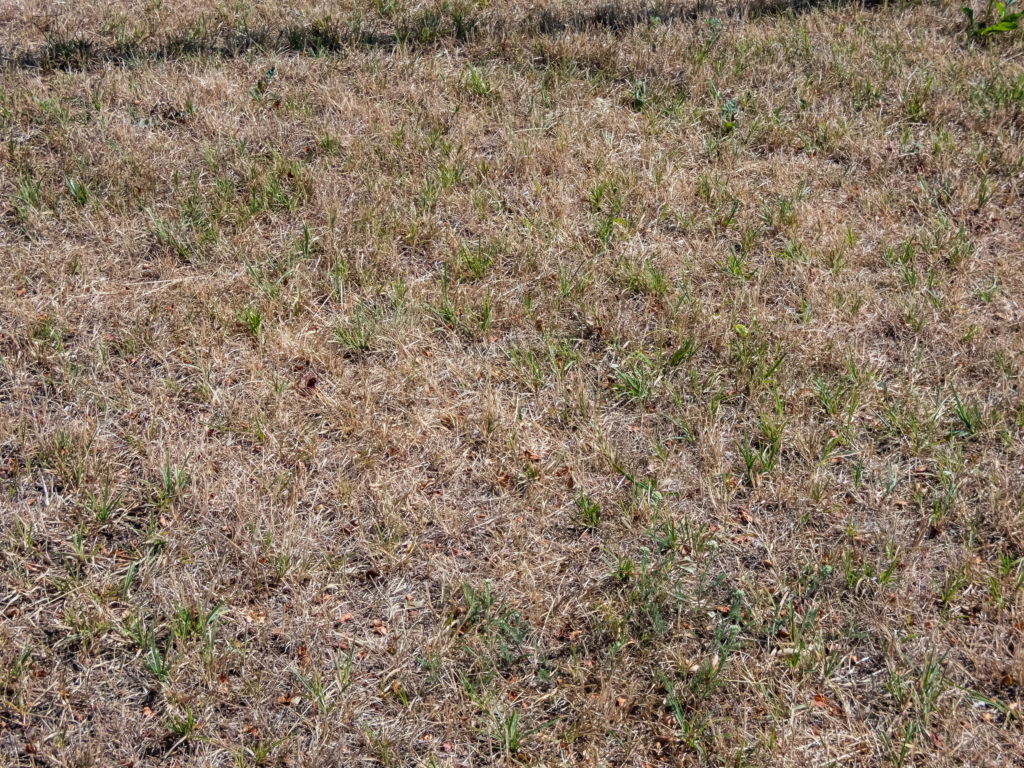
Many homeowners assume that once grass turns brown in winter, it’s permanently dead. In reality, most warm-season grasses in North Texas are simply dormant, conserving energy until warmer soil temperatures return.
“After the recent freeze and winter storm, many homeowners are wondering whether their grass is dead, dormant, or just stressed from cold temperatures.
The good news? Most frost damage is temporary and lawns will recover with the right care.”
Myth #3: Fertilizing in Winter Helps Grass Recover Faster
Applying fertilizer during cold weather often does more harm than good. Grass can’t properly absorb nutrients when soil temperatures are low, and early fertilization can stress dormant turf or promote weak growth vulnerable to freeze damage.
Myth #4: Mowing Frozen or Frosted Grass Is Fine
Mowing while grass is frozen increases the risk of tearing brittle blades and compacting stressed soil. It also disrupts dormancy, which can delay recovery once spring arrives.
Myth #5: All Grass Types Handle Winter the Same Way
Not all lawns respond equally to cold. In North Texas, Bermuda is the most cold-tolerant, Zoysia falls in the middle, and St. Augustine is the most freeze-sensitive. Understanding your grass type helps set realistic expectations after winter storms.
Myth #6: Frost Damage Is Always Permanent
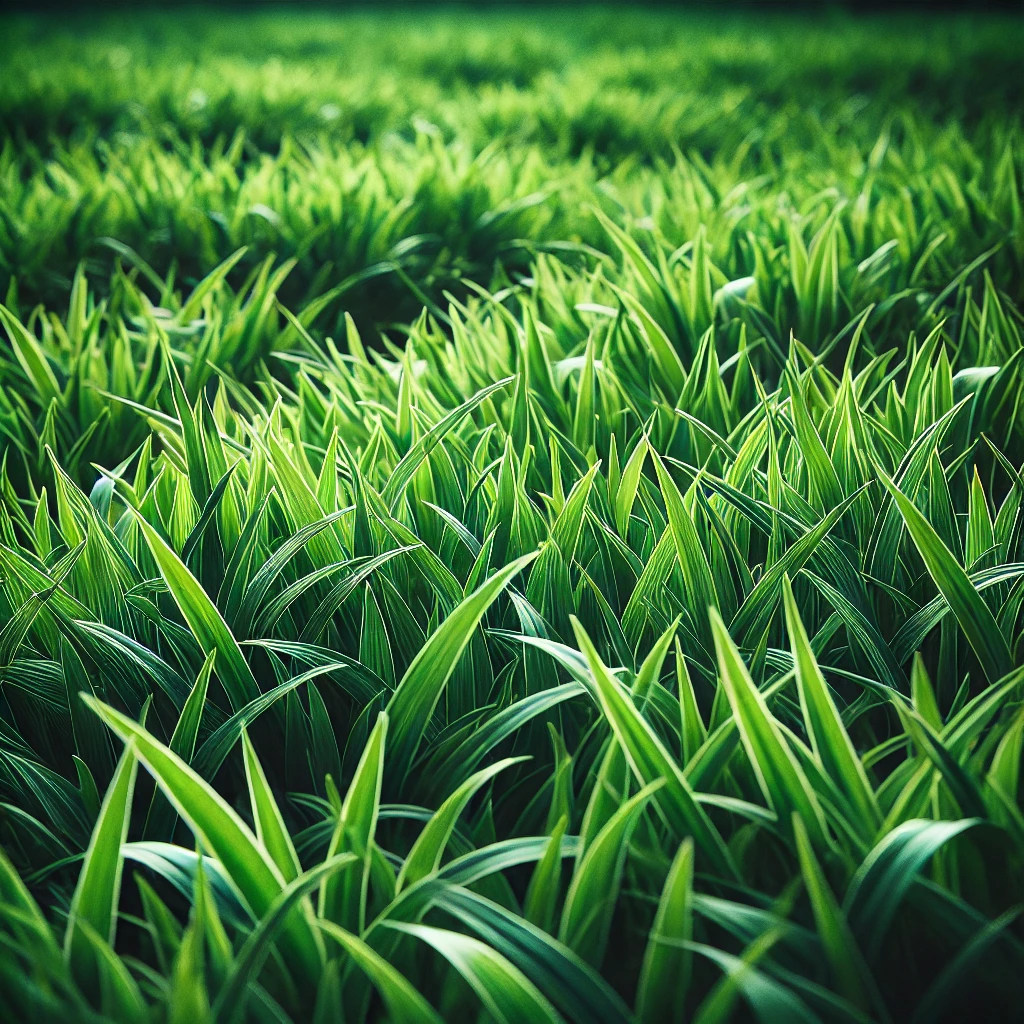
Frost damage often looks severe at first, but appearances can be misleading. If the crown survives, most lawns recover naturally as temperatures rise. Patience and proper spring care are usually more effective than aggressive winter fixes.
Why These Myths Matter
Believing winter lawn myths often leads homeowners to take actions that increase stress on already vulnerable turf. Avoiding foot traffic on frozen grass, skipping winter fertilization, and waiting until soil temperatures warm can make a major difference in spring recovery.
Want the Full Breakdown on Frost Damage?
For a deeper explanation of frost injury, grass recovery timelines, and what North Texas homeowners should expect after winter weather, read the full article here:
Frost Damage on Grass: What Homeowners Need to Know
Need Professional Help This Spring?
If your lawn shows uneven green-up, thinning, or lingering winter damage, Ryno Lawn Care can assess the issue and recommend the right plan for your turf type and soil conditions.
Ryno Lawn Care
1740 N Stemmons Fwy
Lewisville, TX 75067
(214) 728-8894
https://www.rynolawncare.com/