
Every homeowner wants a lawn that looks thick, healthy, and deep green. But achieving that kind of lawn takes more than simply watering once in a while or mowing every weekend.
Thin, patchy, pale grass is usually a sign that something in the lawn’s environment is limiting healthy growth. The good news is that most lawns can improve dramatically with the right combination of watering, mowing, fertilization, soil care, and weed prevention.
In this guide, we’ll explain how to make grass thicker and greener using practical lawn care strategies that actually work in real-world conditions.
Quick Answer: How Do You Make Grass Thick and Green?
To make grass thick and green, focus on:
- Proper mowing height
- Deep, consistent watering
- Fertilization
- Weed control
- Core aeration
- Healthy soil
- Adequate sunlight
- Choosing the right grass type
A dense lawn develops when grass roots are healthy and able to spread without competition from weeds, compacted soil, or environmental stress.
Why Grass Becomes Thin or Pale
Before fixing a lawn, it helps to understand why grass struggles in the first place.
Common causes include:
- Soil compaction
- Underwatering or overwatering
- Poor mowing habits
- Nutrient deficiencies
- Heavy shade
- Weed competition
- Insect damage
- Lawn disease
- Poor soil quality
In North Texas, especially, clay-heavy soil and extreme summer heat can make these problems worse.

The Most Important Steps for a Thick, Green Lawn
1. Mow at the Proper Height
One of the biggest lawn mistakes homeowners make is mowing too short.
Scalping weakens the grass and exposes the soil to heat and drought stress. Taller grass blades help:
- Shade the soil
- Retain moisture
- Encourage deeper roots
- Reduce weed growth
Recommended Heights
| Grass Type | Recommended Height |
|---|---|
| Bermuda Grass | 1–2 inches |
| St. Augustine | 3–4 inches |
| Zoysia | 1.5–2.5 inches |
Never remove more than one-third of the grass blade during a single mowing.
2. Water Deeply Instead of Frequently
Frequent shallow watering creates weak roots.
Instead, lawns perform better when watered deeply and less often. Deep watering encourages roots to grow further into the soil, improving drought tolerance and overall lawn density.
Most established lawns need about:
- 1–1.5 inches of water per week
- Including rainfall
The best time to water is early morning.
3. Fertilize Regularly
Grass needs nutrients to maintain healthy growth and green color.
Nitrogen is especially important because it supports:
- Blade growth
- Color development
- Overall density
However, too much fertilizer can damage lawns, especially during extreme summer heat.
A consistent fertilization schedule throughout the growing season usually produces the best results.
Lawn Care Improvement Chart
| Lawn Problem | Common Cause | Recommended Solution |
|---|---|---|
| Thin grass | Soil compaction | Core aeration |
| Pale green color | Nitrogen deficiency | Fertilization |
| Patchy lawn | Inconsistent watering | Deep weekly watering |
| Bare spots | Heavy traffic or disease | Overseeding or sod |
| Weeds taking over | Weak turf density | Weed control + thicker turf |
| Grass dying in shade | Insufficient sunlight | Shade-tolerant grass or trimming trees |
| Water pooling | Poor drainage | Aeration or grading |
4. Control Weeds Early
Weeds compete directly with grass for:
- Water
- Nutrients
- Sunlight
- Root space
If weeds become dominant, healthy turf struggles to thicken properly.
Pre-emergent weed control helps prevent weeds before they sprout, while post-emergent treatments target existing weeds.
The thicker your lawn becomes, the harder it is for weeds to establish.
5. Aerate Compacted Soil
Compacted soil is one of the most common reasons lawns stay thin.
When soil becomes compacted:
- Roots cannot spread properly
- Water struggles to penetrate
- Nutrients stay near the surface
- Oxygen flow decreases
Core aeration removes small plugs of soil, allowing air, water, and nutrients to move deeper into the root zone.
In clay-heavy soils, aeration can make a dramatic difference.
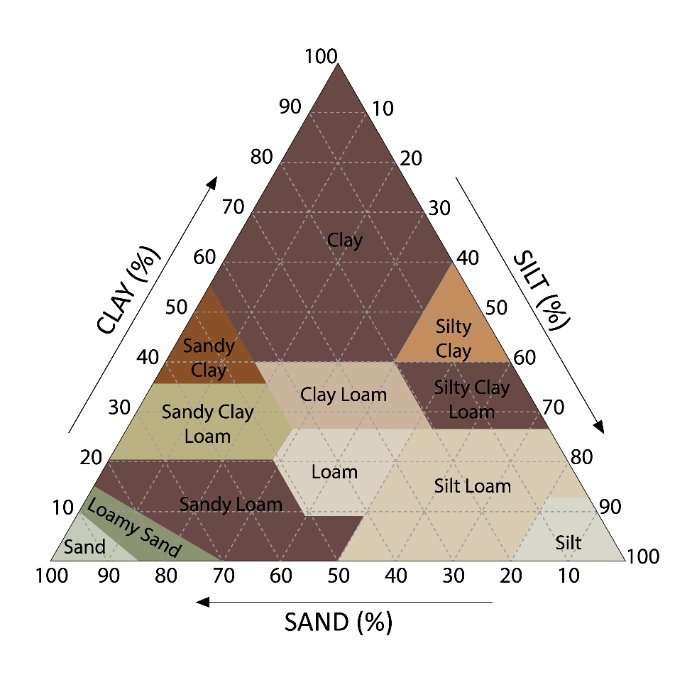
6. Improve Soil Health
Healthy grass starts with healthy soil.
Lawns with poor soil structure often struggle no matter how much water or fertilizer is added.
Adding organic matter and biological soil treatments can help:
- Improve drainage
- Increase microbial activity
- Support root growth
- Reduce compaction
Many professional lawn programs now focus heavily on long-term soil conditioning instead of only surface fertilization.
7. Make Sure Your Lawn Gets Enough Sunlight
Most warm-season grasses require significant sunlight to stay thick.
For example:
- Bermuda grass typically needs 6–8 hours of direct sun daily
- St. Augustine tolerates more shade
- Zoysia performs moderately well in partial shade
If trees block too much sunlight, lawns often become thin regardless of watering or fertilizer.
8. Choose the Right Grass Type
Sometimes homeowners struggle because the grass itself is not suited for the environment.
Best Grass Types for North Texas
| Grass Type | Best For | Shade Tolerance |
|---|---|---|
| Bermuda | Full sun, heavy traffic | Low |
| St. Augustine | Partial shade | Moderate |
| Zoysia | Balanced performance | Moderate |
| Buffalo Grass | Low water use | Low |
The wrong grass type can make lawn improvement extremely difficult.
How Long Does It Take to Thicken Grass?
Most lawns improve gradually over:
- Several weeks to several months
Factors affecting speed include:
- Grass type
- Season
- Soil condition
- Watering consistency
- Existing lawn health
Lawns usually respond fastest during their active growing season.
Signs Your Lawn Is Getting Healthier
As lawns improve, homeowners typically notice:
- Deeper green color
- Fewer weeds
- Thicker turf coverage
- Faster recovery from stress
- Less exposed soil
- Stronger root development
Consistency is usually more important than quick fixes.
Final Thoughts
A thick, green lawn rarely happens by accident. Healthy turf develops when mowing, watering, fertilization, soil care, and weed control all work together consistently over time.
For many homeowners, the biggest improvements come from:
- Raising mowing height
- Watering correctly
- Aerating compacted soil
- Following a proper fertilization schedule
Once the lawn becomes dense and healthy, it naturally resists weeds, drought stress, and thinning much more effectively.