
As temperatures begin to cool in North Texas, winter weeds start preparing to take over lawns. Weeds such as Poa annua, henbit, chickweed, and rescuegrass can germinate in the fall, grow throughout the cooler months, and become increasingly noticeable as warm-season grasses like Bermuda and Zoysia enter dormancy.
The best way to prevent winter weeds is to act before they emerge. Properly timed pre-emergent herbicides, healthy turf, and good lawn maintenance practices can help reduce weed growth and prepare your lawn for spring.
Whether you have struggled with annual bluegrass in previous years or simply want to keep your yard looking its best, understanding which weeds to watch for and when to prevent them can make a significant difference.
Common Winter Weeds in North Texas
Several winter weeds commonly appear in North Texas lawns. Although they share a preference for cooler weather, they differ in appearance, growth habits, and control methods.
| Winter weed | What to look for | Prevention strategy |
|---|---|---|
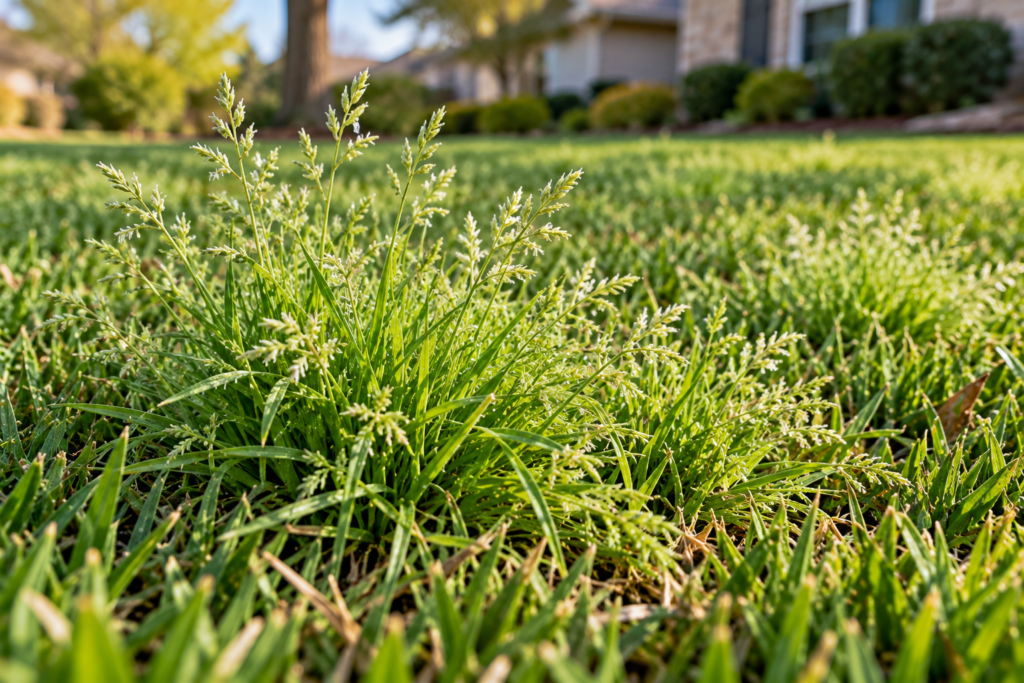
| Poa annua (annual bluegrass) | Light-green grassy clumps and small seedheads | Apply an appropriate pre-emergent before fall germination |
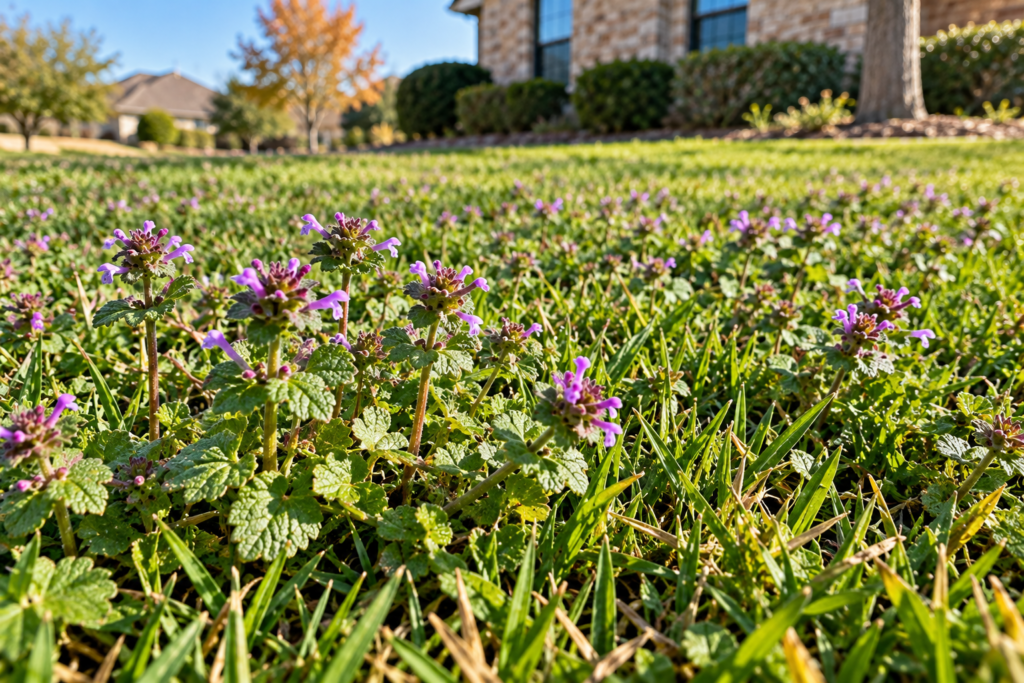
| Henbit | Rounded, scalloped leaves and small purple flowers | Use properly timed pre-emergent and maintain dense turf |
| Chickweed | Low-growing mats of small leaves, sometimes with tiny white flowers | Reduce bare spots and use suitable weed prevention |
| Rescuegrass | Coarse, light-green grassy growth that stands out in dormant lawns | Use a labeled pre-emergent before germination |
| Annual bluegrass relatives and other winter annual grasses | Clumps of grass that differ in color or texture from the surrounding lawn | Identify the weed before choosing a treatment |
The best prevention method depends on the weed species, the type of grass in your lawn, and the timing of germination. Always verify that a herbicide is labeled for both your target weed and your turfgrass.
1. Apply Fall Pre-Emergent Weed Control at the Right Time
Pre-emergent herbicides help prevent susceptible weeds from establishing as they germinate. They work differently from post-emergent herbicides, which are used to control weeds that are already growing.
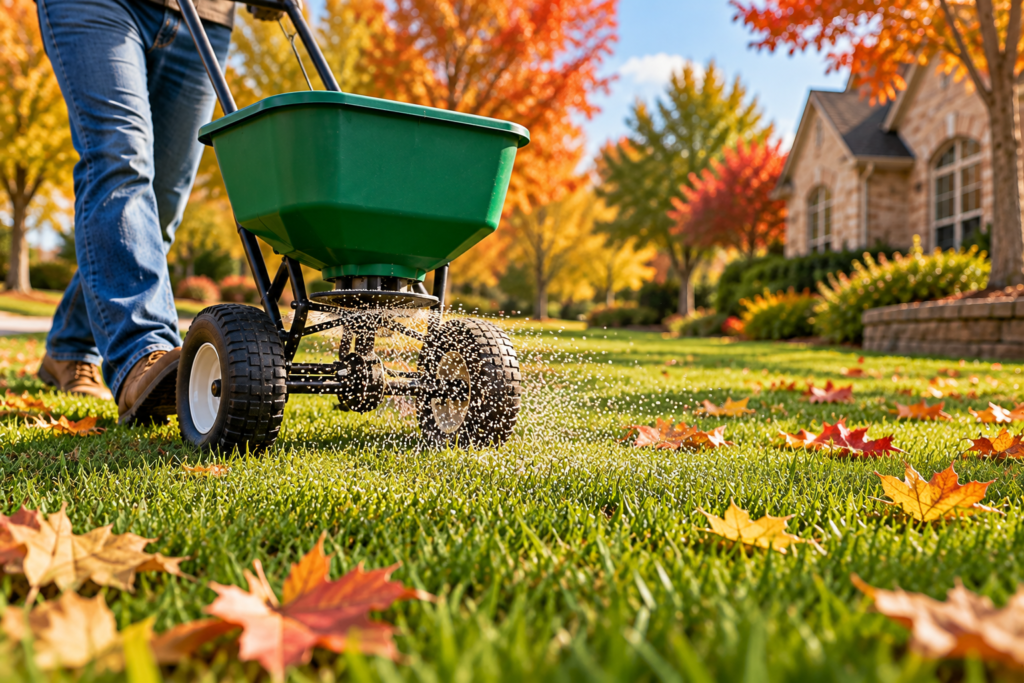
For North Texas homeowners, fall pre-emergent applications are especially important for lawns with a history of winter annual weeds. The goal is to establish the appropriate preventive treatment before weed seeds begin germinating.
Poa annua is a particularly important weed to consider. Germination can begin in early to mid-September in North Texas, depending on weather and local conditions. Waiting until winter weeds become widespread may mean missing the best preventive window.
Follow these general guidelines:
- Plan fall weed prevention before the expected germination period.
- Choose a product labeled for the weeds you want to prevent.
- Confirm that the product is safe for your lawn’s grass type.
- Follow the label’s application rate, watering instructions, and timing restrictions.
- Check whether a second application is recommended by the label for your target weeds.
Pre-emergent products do not eliminate weeds that have already established. If you can already see winter weeds growing, you may need a suitable post-emergent treatment instead.
2. Know When Winter Weeds Typically Appear
Timing is one of the most important parts of winter weed prevention. The following chart provides a general seasonal guide for North Texas lawns.
| Time of year | What happens | Recommended action |
|---|---|---|
| Late summer | Soil and weather conditions begin changing as summer ends | Inspect your lawn for recurring weed problems and plan fall prevention |
| September to October | Many winter annual weeds begin germinating, depending on weather and species | Apply the appropriate pre-emergent before target weeds germinate |
| November to January | Established winter weeds may become more noticeable as warm-season grass growth slows | Monitor the lawn and identify any weeds that have emerged |
| February to early spring | Winter weeds may become more visible, and some begin flowering or producing seeds | Consider appropriate post-emergent control and plan for future prevention |
| Late spring | Many winter annual weeds begin declining as temperatures rise | Address bare areas and prepare for the growing season |
These periods are approximate. Actual germination and growth depend on soil temperatures, rainfall, local weather, and weed species. Product labels should guide application timing rather than the calendar alone.
3. Pay Special Attention to Poa Annua
Poa annua, also known as annual bluegrass, is a common winter annual grass that can be especially frustrating for North Texas homeowners. It often appears as light-green clumps that contrast with Bermuda grass or other turf. As it matures, it can produce small seedheads that contribute to future infestations.
Because Poa annua can germinate in early fall, homeowners should plan prevention before it becomes visible. Once established, it can be difficult to manage selectively, depending on the turfgrass and available treatment options.
If Poa annua has returned to your lawn year after year, consider these steps:
- Identify affected areas before the fall prevention window.
- Apply an appropriate pre-emergent before germination, following the product label.
- Avoid allowing established plants to produce additional seeds when practical.
- Consult a lawn-care professional if you are unsure which treatment is appropriate for your grass type.
For more information about identification and treatment options, read this complete guide: What Kills Poa Annua? How to Control Annual Bluegrass.
4. Keep Your Lawn Thick and Healthy
A healthy lawn can help limit weed establishment by reducing the amount of exposed soil available for weed seeds to take hold. Although dense turf cannot prevent every weed, it can make your lawn more competitive.
To maintain healthy turf in North Texas:
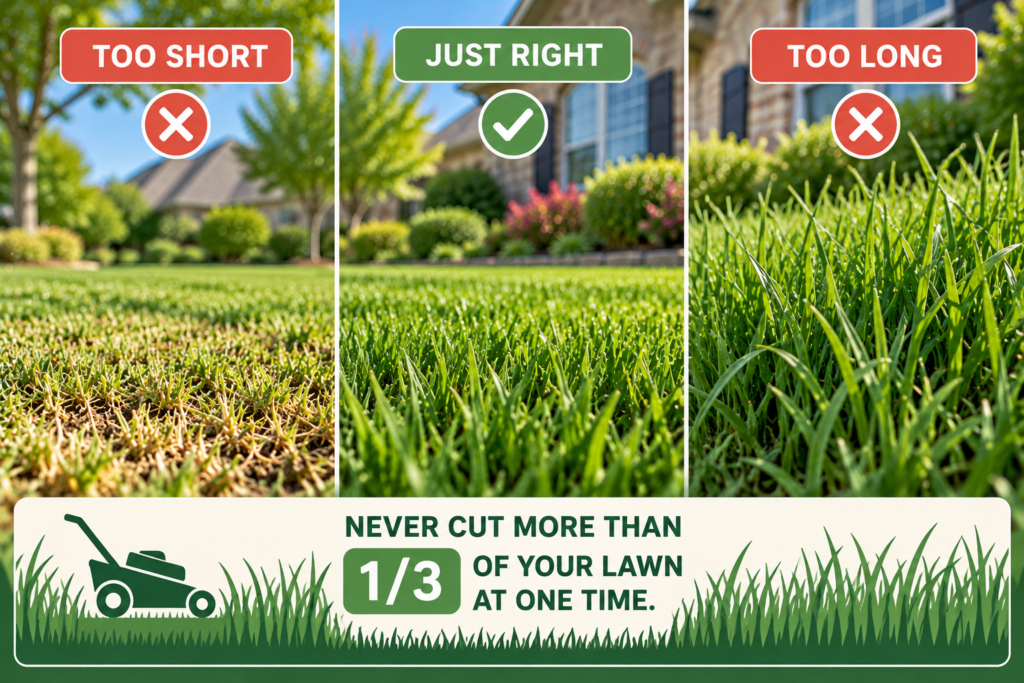
- Mow at the proper height. Avoid cutting your grass too short, which can stress the turf and expose soil.
- Water appropriately. Adjust irrigation based on rainfall, soil moisture, and your grass type.
- Address bare spots. Determine whether thinning is caused by disease, drainage issues, heavy traffic, or improper maintenance.
- Fertilize appropriately. Follow recommendations for your turfgrass and the season rather than applying excess fertilizer.
- Maintain your lawn consistently. Regular care helps your grass recover from summer stress and prepares it for the following growing season.
Remember that Bermuda, St. Augustine, and Zoysia have different maintenance requirements. A lawn-care schedule that works for one grass type may not be appropriate for another.
5. Avoid Overwatering During Cooler Weather
North Texas lawns generally need less supplemental irrigation during cooler weather than during the heat of summer. Excessive watering can waste water and contribute to persistently damp conditions that favor certain weeds.
Check soil moisture and recent rainfall before running your irrigation system. If the soil is already adequately moist, additional watering may not be necessary.
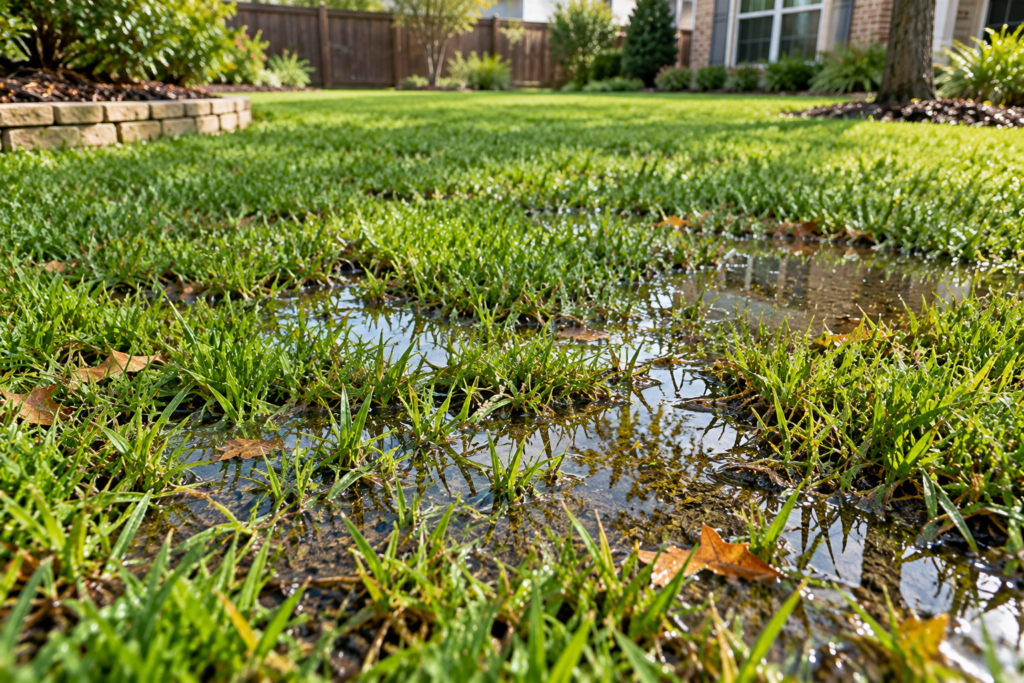
Pay particular attention to areas that stay wet long after the rest of the lawn dries. Poor drainage, low spots, and irrigation problems can contribute to recurring lawn issues.
Adjust your watering schedule as conditions change, and make sure your irrigation system distributes water evenly without routinely saturating the soil.
6. Identify Weeds Before Treating Them
Not every grassy weed is Poa annua, and not every broadleaf weed responds to the same treatment. Misidentifying a weed can lead to ineffective applications or unintended damage to desirable grass.
Before selecting a herbicide, examine the weed’s leaf shape, growth pattern, color, and any flowers or seedheads. If identification is uncertain, consult a lawn-care professional or a reliable weed-identification resource.
It is also important to distinguish between prevention and treatment. Pre-emergent herbicides are designed to prevent susceptible weeds from establishing, while post-emergent products target weeds that have already emerged.
Choosing the right approach depends on what is growing in your lawn and the type of turf you want to protect.
7. Plan Ahead for Next Fall
If winter weeds have become a recurring problem, use this season to prepare for the next prevention window.
Keep track of which weeds appear, when you first notice them, and where they grow. This information can help you determine which areas need attention and whether your current prevention strategy is working.
For example, recurring Poa annua may indicate that your fall prevention timing, product selection, or application coverage needs to be reviewed. Persistent henbit or chickweed may require a different approach.
Also, be cautious when planning overseeding. Some pre-emergent herbicides can interfere with desirable grass seed germination. Check all label restrictions before combining weed prevention with seeding plans.
A proactive approach can help reduce recurring weed pressure and make spring lawn maintenance more manageable.
When Should You Prevent Winter Weeds in North Texas?
For many North Texas lawns, fall is the most important time to prepare for winter annual weeds. Because some weeds begin germinating in September, homeowners should plan ahead instead of waiting until cooler weather makes the problem obvious.
The right application window depends on the target weed, soil temperatures, weather, and product instructions. If weeds have already emerged, a properly selected post-emergent treatment may be more appropriate than relying on a late pre-emergent application.
Combining timely weed control with healthy lawn maintenance gives your turf a better chance of entering spring with fewer weeds and less competition.
Keep Your North Texas Lawn Weed-Free
Winter weeds can be difficult to manage once they spread across a lawn, especially when they return every year. The right prevention strategy starts with identifying the weeds, understanding their growth cycles, and applying appropriate treatments at the right time.
Frequently Asked Questions
What is the best way to prevent winter weeds in North Texas?
Applying an appropriate pre-emergent herbicide before winter weed seeds germinate is one of the most effective preventive strategies. Maintaining healthy turf, watering appropriately, and addressing bare areas can also help reduce weed establishment.
When should I apply pre-emergent for winter weeds?
Fall pre-emergent applications should be timed before the target weeds germinate. For Poa annua and other winter annual weeds in North Texas, this may mean applying before or during early fall, depending on weather and product instructions.
What winter weeds grow in North Texas lawns?
Common winter weeds include Poa annua (annual bluegrass), henbit, chickweed, and rescuegrass. The specific weeds in your lawn depend on local conditions, turfgrass type, and previous weed problems.
Can I prevent Poa annua from returning every year?
Properly timed pre-emergent applications can help reduce new Poa annua growth. Because established plants can produce seeds, consistent prevention and appropriate management are important for reducing recurring infestations.
Can I apply pre-emergent after winter weeds appear?
Pre-emergent herbicides generally prevent susceptible weeds from establishing as they germinate; they do not control established weeds. Once weeds are visible, a suitable post-emergent treatment may be necessary.
Does a healthy lawn prevent winter weeds?
A dense, healthy lawn can make it more difficult for weeds to establish, but it cannot guarantee a weed-free yard. Combining good lawn maintenance with properly timed weed control offers a more comprehensive approach.