
Seeing a brown lawn can be stressful, but in North Texas, dormant grass is often part of the natural seasonal cycle—not a sign that your lawn is beyond saving. The key is knowing how to revive a dormant lawn properly so it can green up strong and healthy when conditions improve.
Understanding dormancy—and responding the right way—can make all the difference between a quick recovery and long-term lawn damage.
Step 1: Confirm Your Lawn Is Dormant (Not Dead)
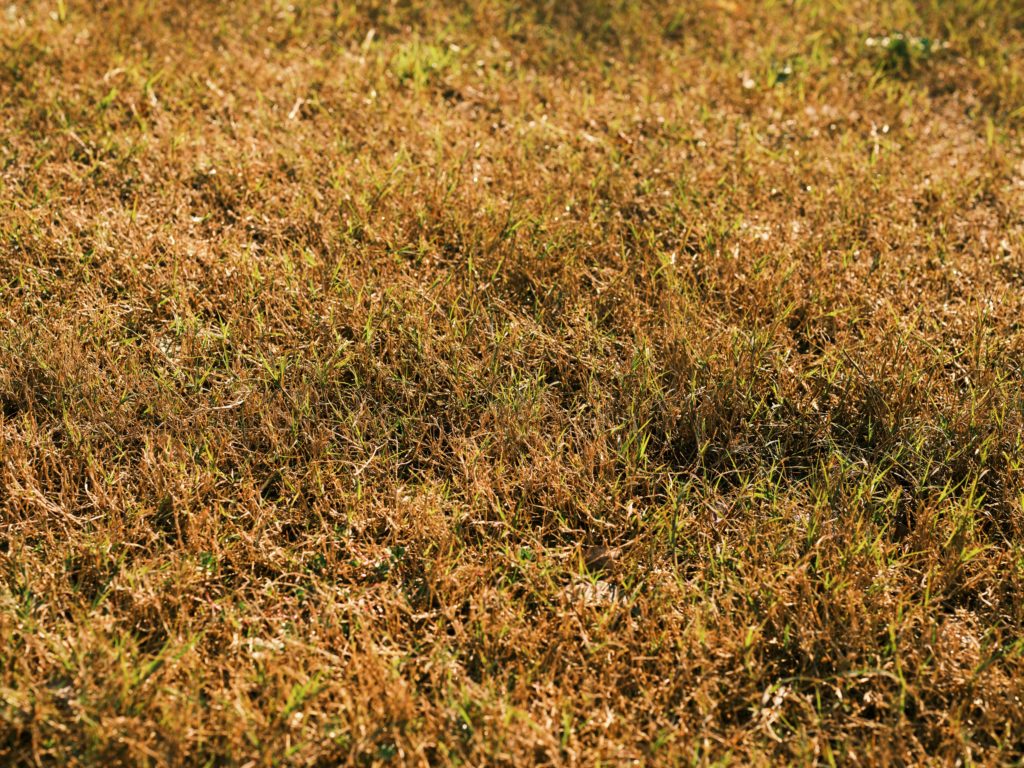
Before taking action, it’s important to confirm dormancy. Dormant grass is alive at the root level and will recover with the right conditions, while dead grass will not.
Ryno Lawn Care Expert Insight:
“Dormant grass has some clear visual signs that set it apart from dead or damaged turf.”
👉 Read more: What does dormant grass look like?
In North Texas, warm-season grasses like Bermuda and St. Augustine commonly go dormant during colder or drier periods.
Step 2: Be Patient With Watering
Water is essential for revival—but timing matters.
-
Begin watering lightly once temperatures rise consistently above freezing
-
Focus on deep, infrequent watering to encourage root activity
-
Avoid overwatering while the lawn is still dormant, which can cause disease
Moist soil helps “wake up” roots, but saturation can delay recovery.
Step 3: Mow Carefully (or Not at All at First)
When your lawn starts showing early signs of green-up:
-
Wait until grass reaches recommended mowing height
-
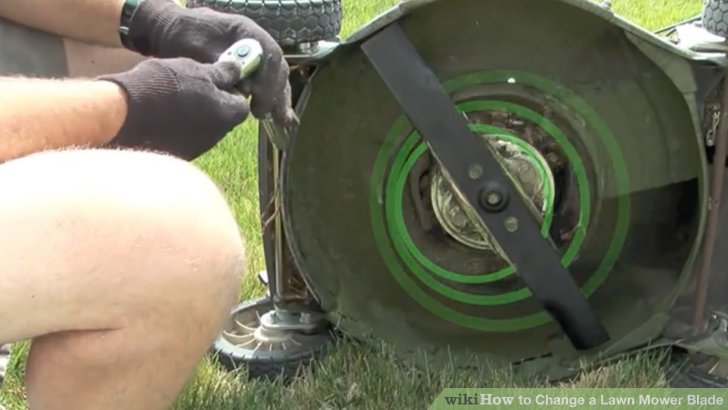
Use sharp mower blades to avoid tearing brittle grass
-
Never scalp dormant or semi-dormant turf
Mowing too early can stress grass that’s still transitioning out of dormancy.
Step 4: Avoid Fertilizing Too Soon
One of the most common mistakes homeowners make is fertilizing dormant grass.
-
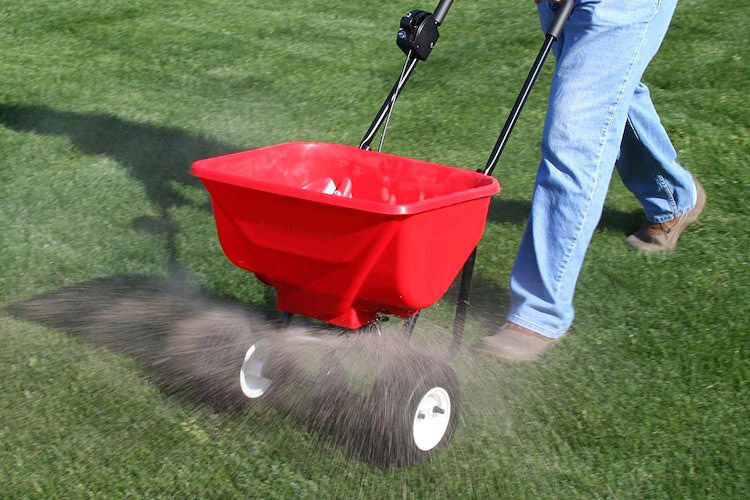
Fertilizer for warm-season turf should only be applied once the lawn is actively growing
-
Early fertilization can encourage weak top growth before roots are ready
-
Improper timing increases the risk of weeds and disease
A professional lawn care schedule ensures nutrients are applied at the right time.
Step 5: Reduce Stress While Grass Recovers
As your lawn comes out of dormancy, limit anything that adds stress:
-
Minimize foot traffic
-
Keep pets off muddy or fragile areas
-
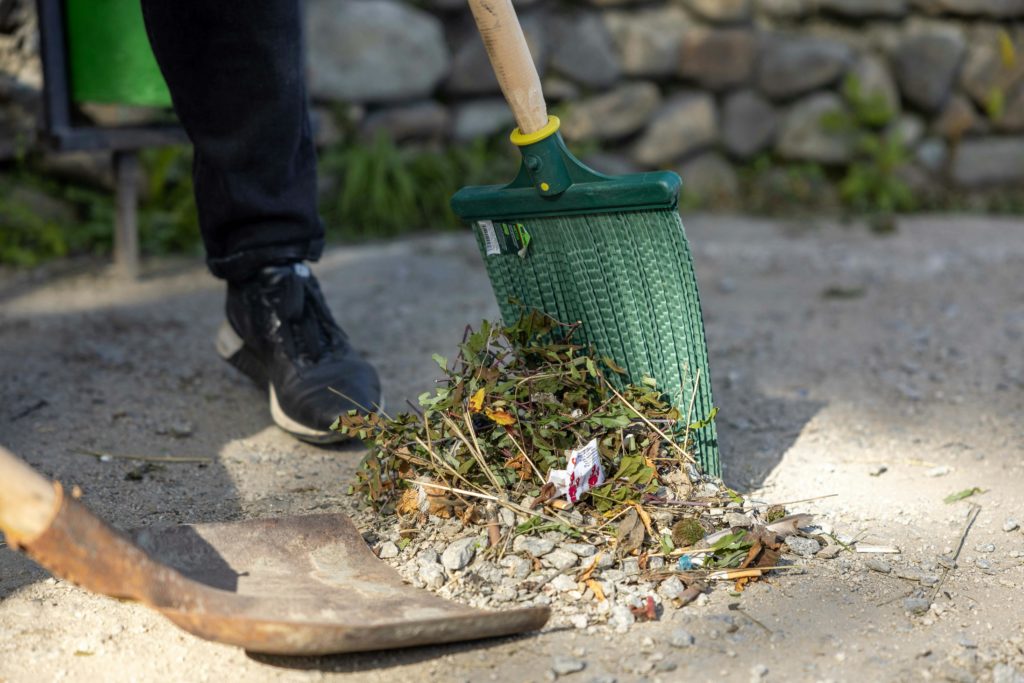
Remove leaves and debris to allow sunlight and airflow
Dormant grass doesn’t need aggressive treatments—it needs support.
Dormant Lawn Revival Timeline
| Stage | What You’ll See | What to Do |
|---|---|---|
| Full dormancy | Uniform brown color | Minimal watering, avoid treatments |
| Early green-up | Green shoots at soil level | Light watering, no fertilizer |
| Active growth | Noticeable color return | Resume mowing and care plan |
| Full recovery | Thick, green turf | Normal maintenance schedule |
When Dormant Grass Doesn’t Bounce Back
If your lawn stays brown well into late spring or shows patchy, uneven areas, the issue may be more than dormancy. Soil compaction, disease, pests, or irrigation problems can prevent recovery.
This is where professional evaluation can save time, money, and frustration.
Final Thoughts
Reviving a dormant lawn isn’t about quick fixes—it’s about patience, timing, and proper care. Dormancy is a natural survival mechanism, and with the right approach, most North Texas lawns will return greener and healthier than before.
If you’re unsure whether your lawn is dormant or struggling with underlying issues, expert guidance can help ensure a strong recovery.